

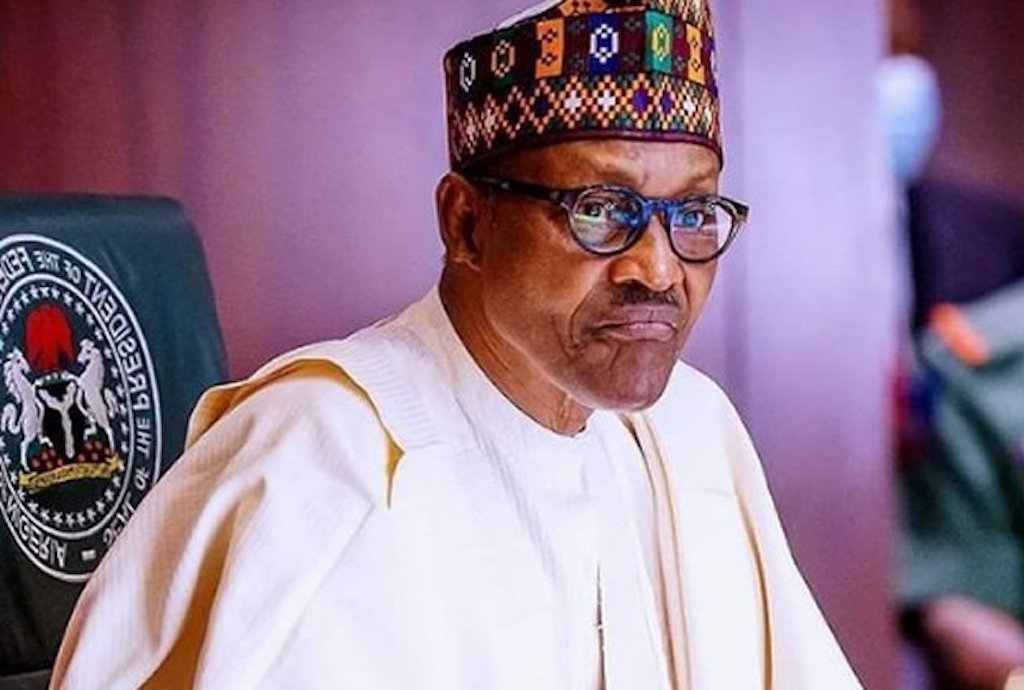
| Full Name | Muhammadu Buhari |
| Date of Birth | December 17, 1942 |
| Place of Birth | Daura, Katsina State, Nigeria |
| Religion | Islam (Sunni) |
| Ethnicity | Fulani |
| Marital Status | Married to Aisha Buhari (since 1989) |
| Previous Spouse | Safinatu Yusuf (1971–2006, deceased) |
| Children | 10 children |
| Military Rank | Major General (Retired) |
| Military Service | Nigerian Army (1962–1985) |
| Notable War | Nigerian Civil War (1967–1970) |
| Political Party | All Progressives Congress (APC) |
| Previous Parties | Congress for Progressive Change (CPC), ANPP |
| Military Head of State | December 31, 1983 – August 27, 1985 |
| Democratic Presidency | May 29, 2015 – May 29, 2023 |
| Vice Presidents | Yemi Osinbajo (2015–2023) |
| Successor | Bola Ahmed Tinubu (2023–present) |
| Known For | Anti-corruption stance, discipline, military leadership, and infrastructural projects |
| Highest National Honor | Grand Commander of the Federal Republic (GCFR) |
- Full Name and Titles
Muhammadu Buhari, GCFR, is a Nigerian retired Major General, statesman, and former two-time leader of the Federal Republic of Nigeria. He first served as Nigeria’s Military Head of State from December 31, 1983, to August 27, 1985, following a military coup. He returned nearly three decades later as the democratically elected President, serving two terms from May 29, 2015, to May 29, 2023. Throughout his career, Buhari earned a reputation for discipline, anti-corruption advocacy, and austere leadership style. The title “GCFR”—Grand Commander of the Federal Republic—is Nigeria’s highest national honour, reserved for heads of state and presidents.
- Early Life and Family Background
Muhammadu Buhari was born on December 17, 1942, in Daura, located in present-day Katsina State in the northwestern region of Nigeria. He hails from a Fulani Muslim background and was the 23rd child of his father, Malam Hardo Adamu, a Fulani chief, and Zulaihat Buhari, his mother. Buhari’s father passed away when he was only about four years old, leaving his mother to raise him. Coming from a modest background, his early experiences were shaped by rural life and traditional Islamic values common to northern Nigeria at the time. These early influences would later shape his worldview, especially his emphasis on discipline, simplicity, and faith.
- Education
Muhammadu Buhari began his formal education at Daura and Mai’adua Primary Schools, both located in Katsina Province. He then proceeded to Katsina Middle School in 1953. His secondary education was at Katsina Provincial Secondary School (now Government College, Katsina), where he studied from 1956 to 1961.
Upon completing his secondary education, Buhari was admitted into the Nigerian Military Training College (NMTC) in Kaduna in 1962, a move that launched his long and storied career in the armed forces. As part of his military training, he was selected for officer cadet training at the Mons Officer Cadet School in Aldershot, England, and was commissioned as a second lieutenant in January 1963.
Buhari continued his military studies at various prestigious institutions, including:
- The Platoon Commanders’ Course at the Nigerian Military Training College
- The Mechanical Transport Officer’s Course at the Army Mechanical Transport School in the UK
- The Defense Services Staff College in India (1973)
- The US Army War College in Pennsylvania, where he earned a master’s degree in strategic studies (1980)
His formal education combined with rigorous military training prepared him for both battlefield leadership and strategic roles in governance and administration.
- Military Career
Muhammadu Buhari’s military career spanned over two decades and was marked by rapid progression through the ranks and a wide range of key appointments. He joined the Nigerian Army in 1962 and was commissioned as a second lieutenant in 1963. Buhari actively served during the Nigerian Civil War (1967–1970), commanding troops and gaining field experience that solidified his reputation as a disciplined and reliable officer.
Over the years, he held several important military and administrative positions, including:
- Military Governor of the Northeastern State (1975–1976) during the regime of General Murtala Mohammed. The area then covered parts of modern-day Borno, Yobe, Taraba, and Adamawa States.
- Federal Commissioner for Petroleum and Natural Resources (1976–1978) under General Olusegun Obasanjo’s military regime.
- Chairman of the Nigerian National Petroleum Corporation (NNPC), a role in which he oversaw Nigeria’s vital oil sector during the oil boom years.
- General Officer Commanding (GOC) the 3rd Armoured Division of the Nigerian Army, based in Jos. As GOC, he was tasked with securing Nigeria’s borders and suppressing smuggling and cross-border crime.
Buhari earned a reputation for discipline, loyalty, and zero tolerance for corruption, which later became the hallmarks of his political ideology. By the early 1980s, he was already seen as one of the most principled and uncompromising officers in the Nigerian military.
- Military Head of State (1983–1985)
On December 31, 1983, Major General Muhammadu Buhari seized power in a military coup that overthrew the democratically elected government of President Shehu Shagari. The coup was justified by the military on the grounds of widespread corruption, mismanagement of the economy, and insecurity during the Second Republic.
Buhari’s military regime placed a heavy emphasis on discipline, accountability, and national order. One of the first major initiatives he launched was the War Against Indiscipline (WAI), which sought to address social vices, promote public hygiene, and enforce punctuality and civil behavior. Markets, bus stops, and government offices were monitored for compliance, and offenders were often punished publicly.
His administration introduced strict economic measures, including currency exchange restrictions, import licensing, and a cutback on government spending, in a bid to curb inflation and stabilize the economy. Buhari also launched an anti-corruption campaign that saw several top politicians from the previous civilian government jailed for various offences—some for over 100 years, though critics argued that trials were often unfair and politically motivated.
However, his rule faced sharp criticism, particularly for:
- Repressive decrees that curtailed freedom of speech and the press
- Mass arrests and detentions without trial, including journalists and civil society leaders
- The attempted abduction of Umaru Dikko, a former minister, in London (1984), which caused an international diplomatic crisis
Despite efforts to restore order, the rigid nature of his governance, coupled with economic hardship, made the regime unpopular among both civilians and fellow officers. Eventually, on August 27, 1985, General Ibrahim Babangida led a successful coup that removed Buhari from power. Buhari was placed under house arrest for several years following his ouster.
6. Return to Civilian Life
Following his removal from power in August 1985, Muhammadu Buhari was detained and placed under house arrest by the regime of General Ibrahim Babangida. He spent nearly three years in confinement, during which he maintained a low profile and abstained from commenting on national affairs. Upon his release, Buhari retreated into private life, focusing on personal and religious engagements.
In 1995, during General Sani Abacha’s regime, Buhari was appointed as the Chairman of the Petroleum Trust Fund (PTF), a government agency established to manage revenue from increased petroleum prices. Under Buhari’s leadership, the PTF became known for its transparency and efficiency in executing infrastructural projects, especially in education, health, and road construction. The fund prioritized public procurement standards and often channeled resources into rural and underserved communities.
Despite criticisms about regional favoritism in the PTF’s distribution of projects, Buhari’s management style won him admiration for fiscal discipline and integrity. His reputation as a no-nonsense administrator with a clean record was solidified during this time. He remained largely outside partisan politics until the early 2000s, when he began to show interest in democratic leadership.
7. Political Comeback and Democratic Elections
Buhari formally entered democratic politics in 2003, declaring his ambition to return to leadership through the ballot. He contested under the platform of the All Nigeria Peoples Party (ANPP) but lost to President Olusegun Obasanjo of the People’s Democratic Party (PDP). Undeterred, he contested again in 2007, also under ANPP, losing to Umaru Musa Yar’Adua. His third attempt in 2011, this time under the Congress for Progressive Change (CPC)—a party he founded—resulted in another defeat to Goodluck Jonathan of the PDP. After each defeat, Buhari challenged the results in court but failed to overturn any of the outcomes.
These repeated losses led some critics to dismiss him as a “perennial candidate.” However, his core supporters, particularly from the North, remained loyal due to his perceived honesty, modest lifestyle, and military background. In 2013, Buhari became a key figure in the merger of major opposition parties, including the CPC, ANPP, Action Congress of Nigeria (ACN), and a faction of the All Progressives Grand Alliance (APGA), to form the All Progressives Congress (APC).
In the historic 2015 general election, Buhari defeated incumbent President Goodluck Jonathan, making him the first opposition candidate in Nigeria’s history to defeat a sitting president. This victory marked a significant moment in Nigeria’s democratic evolution and presented Buhari as a reformed democrat ready to lead Nigeria into a new era.
8. Presidency: 2015–2023
First Term (2015–2019)
Buhari was sworn in on May 29, 2015, pledging to tackle corruption, insecurity, and economic stagnation. His first term was characterized by:
-
Anti-corruption crusade: Prosecution of former government officials and recovery of looted funds through the Economic and Financial Crimes Commission (EFCC)
-
Security operations: Significant military offensives against Boko Haram insurgents, resulting in the recovery of several territories in the northeast
-
Economic turbulence: The collapse of global oil prices in 2016 triggered Nigeria’s first recession in over two decades
-
Social programs: Launch of the National Social Investment Programme, including N-Power and TraderMoni, to support youth and small businesses
However, Buhari was criticized for his slow appointment of cabinet members, his frequent medical trips to London, and what some perceived as a centralized and distant leadership style. The economy remained fragile, with inflation and unemployment figures rising.
Second Term (2019–2023)
Buhari was re-elected in 2019, defeating Atiku Abubakar of the PDP. His second term focused on consolidating infrastructure, digital governance, and continuing the war against corruption and insecurity. Key achievements and initiatives included:
-
Completion of major infrastructure projects, including railways (Lagos-Ibadan, Abuja-Kaduna), bridges, and airport terminals
-
Implementation of the e-Naira, Nigeria’s digital currency
-
Deepening of social welfare programs, especially in rural communities
-
Agricultural revival programs under the Anchor Borrowers’ Programme
Nonetheless, the period was plagued by worsening insecurity, including:
-
Banditry and mass abductions in the Northwest
-
Farmer-herder clashes in the Middle Belt
-
Resurgence of secessionist movements in the Southeast
-
Public outcry during the #EndSARS protests against police brutality
Additionally, the economy faced another setback due to the COVID-19 pandemic, leading to another brief recession in 2020. High inflation, food insecurity, and rising debt levels added to the public’s discontent. Despite attempts at reform, Buhari was seen by critics as insensitive to public grievances and slow to act in times of crisis.
9. Legacy and Criticism
Positive Legacy
Buhari’s legacy remains divisive, but several of his contributions are widely acknowledged:
-
Anti-corruption campaign: Though not without bias, his administration intensified the fight against graft through arrests, prosecutions, and international cooperation for asset recovery.
-
Infrastructure development: Notable investments in transport (rail, road, air), agriculture, and housing projects aimed at long-term national growth.
-
Digital transformation: Launch of the e-Naira, digitization of civil service payrolls, and expansion of national identity registration systems.
-
Security infrastructure: Despite persistent threats, Buhari strengthened Nigeria’s military capacity and increased budget allocations for defense.
Controversies
Buhari’s leadership style and policy outcomes drew significant criticism:
-
Nepotism and sectional favoritism: Many Nigerians, including southern leaders and civil society groups, accused him of favoring northern Muslims in key appointments.
-
Poor economic management: Under his watch, Nigeria faced two recessions, rising debt, soaring inflation, and youth unemployment.
-
Authoritarian tendencies: His government was accused of intolerance to criticism, including clampdowns on activists, journalists, and opposition figures.
-
Healthcare abroad: Buhari’s frequent medical trips to the UK drew sharp criticism in a country plagued by poor healthcare infrastructure.
-
Ineffective handling of protests: The #EndSARS protests and his delayed response were seen as a failure to empathize with young Nigerians demanding justice.
- Personal Life
Muhammadu Buhari is known for his private, austere lifestyle, shaped by both cultural and religious influences. He practices Sunni Islam and is widely regarded as a devout Muslim. He married Safinatu Yusuf in 1971, shortly after returning from military training in the United Kingdom. Together, they had five children. Sadly, Safinatu passed away in 2006 after a long illness.
In 1989, Buhari married his second wife, Aisha Halilu Buhari, who later became Nigeria’s First Lady during his civilian presidency. Aisha, originally from Adamawa State, holds degrees in public administration and beauty therapy and became known for her outspokenness on political and social issues during her husband’s tenure. She and Muhammadu Buhari also have five children, bringing his total to ten children between his two marriages.
Buhari is often praised for leading a disciplined and modest lifestyle, both as a military officer and as a civilian leader. He abstains from flamboyance and excessive display of wealth, often maintaining a simple personal routine. Outside of politics, his interests include reading, farming, and following global affairs. He also maintains strong ties with his Daura hometown in Katsina State, where he regularly returns during holidays and religious festivities.
- Honors and Recognition
Over the years, Muhammadu Buhari has received several national and international honors in recognition of his public service, leadership, and military accomplishments.
National Honors:
- GCFR (Grand Commander of the Federal Republic): This is Nigeria’s highest national honor, reserved for presidents and heads of state.
- Medals and Service Ribbons: As a senior military officer, Buhari received multiple decorations for his service during the Nigerian Civil War and his various military command roles.
Institutional Recognition:
- Named Public Institutions and Facilities: Several institutions and infrastructures bear his name, especially in northern Nigeria, in recognition of his contributions.
- International Engagements: As President, he represented Nigeria at major summits including the United Nations General Assembly, African Union summits, G7, and Islamic conferences.
Leadership Acknowledgments:
- Buhari has been publicly acknowledged by global leaders for his anti-corruption stance and peacekeeping efforts in West Africa. He also played important roles in ECOWAS diplomacy and in peace missions to countries like The Gambia, Mali, and Guinea.
Although some of these honors were formal, much of Buhari’s acclaim—especially during his military years—was based on public perception of his integrity, frugality, and nationalistic fervor.
- Life After Presidency
After completing his second and final term as President on May 29, 2023, Muhammadu Buhari retired from active politics and returned to his hometown of Daura, Katsina State. In his farewell speeches, he emphasized that he would not interfere in the affairs of his successor or future governments. He stated his desire to live “in peace and quiet” away from the political scene.
Since leaving office, Buhari has remained largely out of the public eye, only occasionally issuing brief statements on national events. True to his nature, he has maintained a reserved profile, devoting time to personal interests such as farming, receiving dignitaries at his residence in Daura, and spending time with family and community elders.
Notably, he has faced mixed reactions from Nigerians post-presidency. Supporters remember him as a patriotic reformer who prioritized national interest over personal gain, while critics continue to highlight the economic struggles and security challenges that marked his administration.
Death and Burial
Nigeria’s former President, Muhammadu Buhari, died on Sunday at the age of 82 in a hospital in London, United Kingdom—two years after leaving office in 2023. The announcement of his death was made by his former presidential spokesman, Garba Shehu, who confirmed that the late statesman passed away after receiving medical care at a private clinic abroad.
Buhari’s passing marks the end of an era for a man who had served Nigeria both as a military ruler (1983–1985) and a civilian president (2015–2023). His death has triggered an outpouring of tributes from political leaders, civil society groups, international partners, and ordinary Nigerians.
In line with Islamic rites, Buhari will be buried in his hometown of Daura, Katsina State, on Tuesday, with final prayers and ceremonies expected to draw senior government officials, military officers, foreign dignitaries, and notable political figures from across the country. President Bola Ahmed Tinubu has directed Vice President Kashim Shettima to lead the federal government delegation to the United Kingdom to accompany the late president’s body back to Nigeria.
Muhammadu Buhari’s legacy, shaped by discipline, anti-corruption advocacy, and a lifetime of public service, continues to provoke debate across ideological lines. His burial in his ancestral home is expected to be a national moment of reflection on leadership, governance, and Nigeria’s democratic journey.
Conclusion
Regardless of differing views, Buhari remains an important figure in Nigeria’s political history—one who ruled the country both as a military leader and as a democratically elected president, a rare distinction. His influence on governance, leadership ethics, and national discourse continues to be referenced in political and academic discussions.
Read also:
FG Declares Tuesday, July 15 a Public Holiday to Honour Late President Muhammadu Buhari