




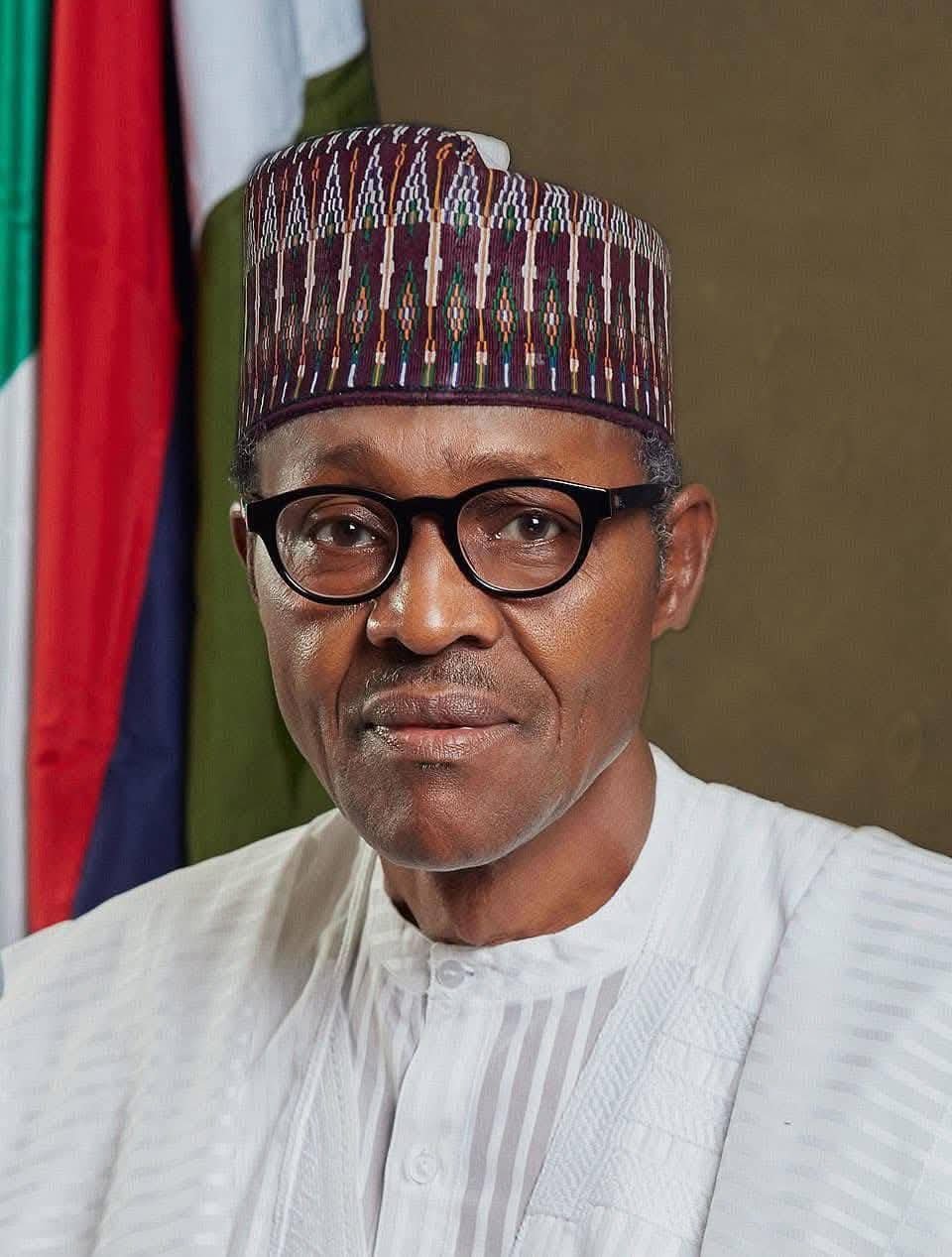
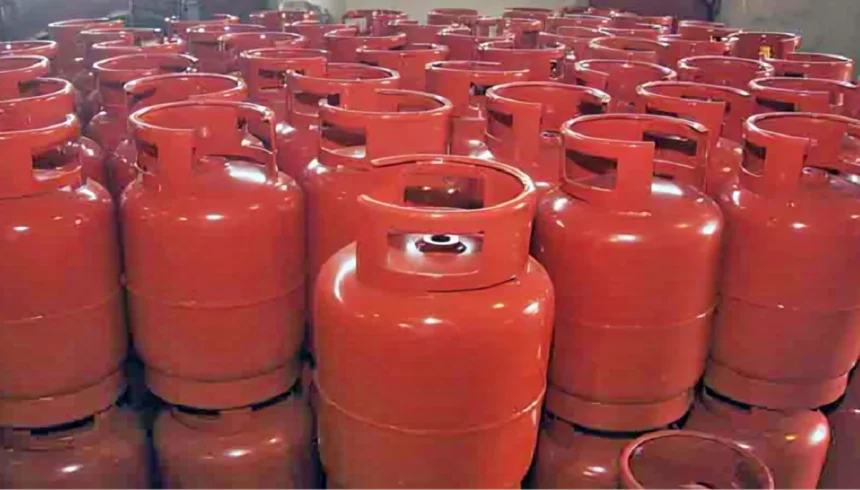
The Group Chief Executive Officer of the Nigerian National Petroleum Company Limited (NNPC), Mr. Bayo Ojulari, has shed light on the recent surge in the price of cooking gas across Nigeria.
Speaking with State House correspondents, Ojulari attributed the price hike to a temporary disruption in operations caused by last week’s strike by the Petroleum and Natural Gas Senior Staff Association of Nigeria (PENGASSAN).
According to him, the industrial action affected gas loading and distribution nationwide, leading to an artificial shortage that drove up prices.
“The increase you saw was relatively artificial because, during the period of the strike, movements and loading were delayed by about two or three days. And because of that, you see that impact. As things return back to normal, it takes some time for distribution to be fully restored,” Ojulari explained.
The NNPC boss also accused some retailers and suppliers of exploiting the temporary supply disruption to increase prices and maximize profit.
“As you know, in Nigeria, people take opportunity. With that delay, some of the people that had existing resources and reserves had to put up the price,” he added.
Ojulari, however, assured Nigerians that the situation is already improving as supply chains and distribution networks return to normal.
“My expectation is that now that things are back to normal, prices should return to what they were before the strike,” he said confidently.
The recent rise in cooking gas prices followed the industrial action by PENGASSAN, which was staged in protest over the dismissal of Nigerian workers at the Dangote Refinery. The temporary halt in operations created a ripple effect across the downstream gas market, causing prices to soar in many parts of the country.
As the NNPC resumes full operations, consumers are hopeful that the price of Liquefied Petroleum Gas (LPG) will soon stabilize and become more affordable for households nationwide.