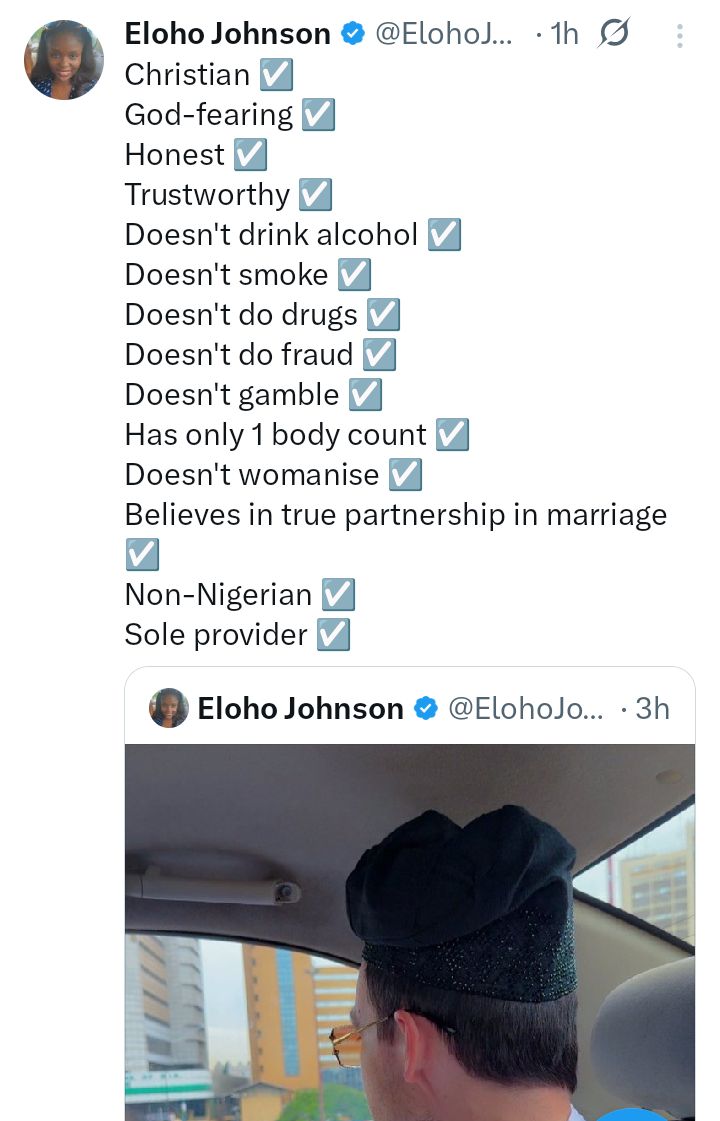







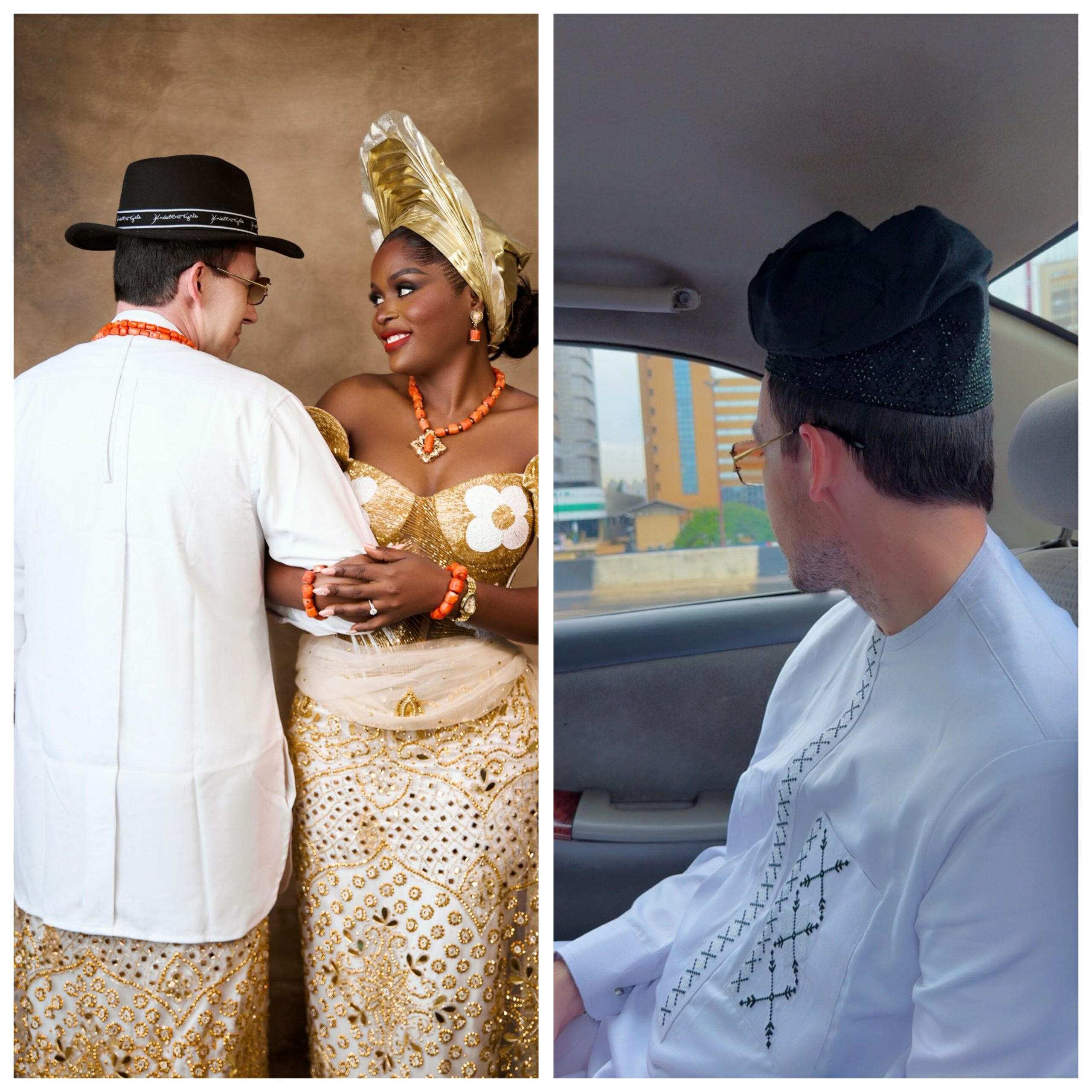
A Nigerian woman, Elohi Johnson, has sparked conversations online after publicly celebrating her Caucasian husband and listing the qualities she admires about him.
In a heartfelt post shared on social media, Elohi highlighted what she described as her husband’s strong moral values, disciplined lifestyle, and commitment to their marriage.
Her post, which has since drawn attention across various platforms, featured a checklist of traits she believes make her husband stand out.
She wrote:
“Christian ☑️
God-fearing ☑️
Honest ☑️
Trustworthy ☑️
Doesn’t drink alcohol ☑️
Doesn’t smoke ☑️
Doesn’t do drugs ☑️
Doesn’t do fraud ☑️
Doesn’t gamble ☑️
Has only 1 body count ☑️
Doesn’t womanise ☑️
Believes in true partnership in marriage ☑️
Non-Nigerian ☑️
Sole provider ☑️”
Emphasis on Faith and Moral Discipline
From her post, it is clear that faith and personal discipline are central to what she values in her marriage. By describing her husband as “Christian” and “God-fearing,” Elohi underscored the importance of shared spiritual beliefs in their relationship.
She also emphasized his lifestyle choices, noting that he does not drink alcohol, smoke, use drugs, gamble, or engage in fraudulent activities.
Commitment to Partnership and Provision
Another major highlight of her post was her husband’s role within the family. According to her, he is a “sole provider” and believes in “true partnership in marriage.”
Her remarks reflect ongoing conversations in Nigeria and beyond about relationship standards, financial responsibility, and expectations in modern marriages.
Social Media Reactions
The post has generated mixed reactions online. While many users praised her for appreciating her partner publicly, others debated some of the listed qualities and what they imply about cultural expectations and marriage dynamics.
Regardless of differing opinions, Elohi Johnson’s post has added to the growing discourse on interracial relationships and the values individuals prioritize when choosing a life partner.
As conversations continue to unfold, her message highlights how personal experiences often shape public discussions around love, faith, and family life.