



The Independent National Electoral Commission (INEC) has disclosed that it lacks the legal power to sanction politicians and political parties already engaging in premature campaigns ahead of the 2027 general elections.
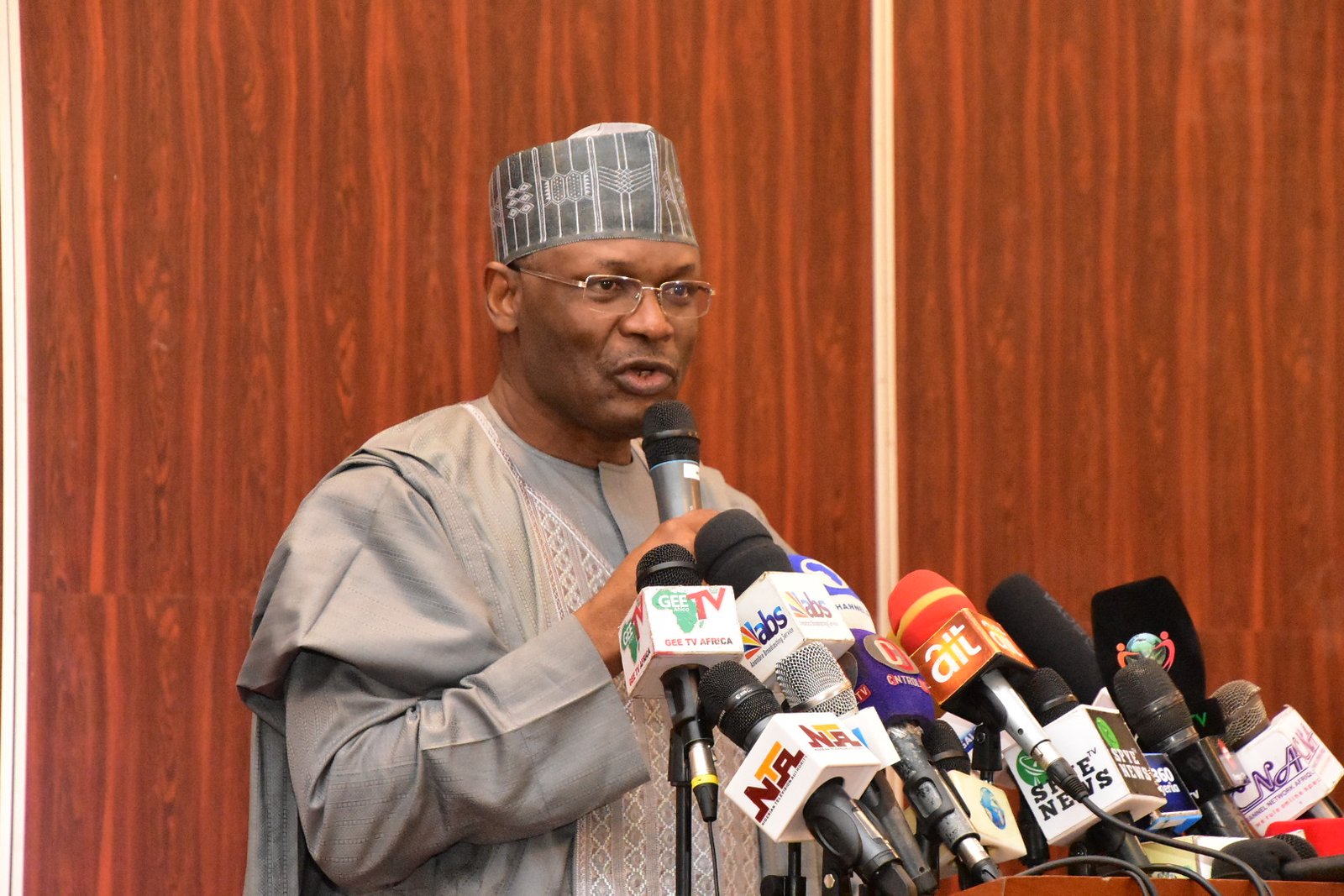
INEC Chairman, Prof. Mahmood Yakubu, made this known on Wednesday, September 10, in Abuja during a stakeholders’ roundtable convened to address the growing issue of early political campaigns.
Yakubu explained that while Section 94(1) of the Electoral Act 2022 prohibits political campaigns earlier than 150 days before polling day, the law fails to stipulate any penalties for such violations.
“Quite correctly, Nigerians expect INEC, as registrar and regulator of political parties, to act in the face of the brazen breach of the law on early campaign. However, the major challenge for the commission is the law itself,” Yakubu stated.
He added that Section 94(2) only prescribes a fine of up to ₦500,000 for campaigns conducted within 24 hours of election day, leaving the commission powerless against widespread premature rallies, billboards, and media adverts. According to him, this legal gap hampers INEC’s efforts to monitor and regulate campaign financing.
To find solutions, the commission invited lawmakers, party leaders, civil society organisations, and regulatory agencies to the forum. “As the National Assembly is currently reviewing our electoral laws, we have invited the leadership of both the Senate and House of Representatives committees on electoral matters. I am confident they will give due consideration to actionable recommendations,” Yakubu added.
Speaking at the event, INEC National Commissioner, Abdullahi Zuru, described early campaigns as one of the most pressing challenges facing Nigeria’s democracy. He noted that aspirants often exploit cultural festivals, religious gatherings, billboards, branded vehicles, and even social media influencers to subtly promote themselves ahead of schedule.
“When aspirants or parties compete to dominate visibility long before the official campaign period, it distorts fairness and raises the cost of political competition,” Zuru said.
He further warned that the trend diverts elected officials from governance, undermines public trust in the electoral system, and deepens voter cynicism about the rule of law. “We must refine the regulatory framework so that what constitutes premature or early campaigning is more clearly defined in today’s digital age,” Zuru emphasized.
As preparations for the 2027 general elections gather momentum, stakeholders are now pushing for stronger laws and stricter enforcement to ensure a level playing field for all candidates.