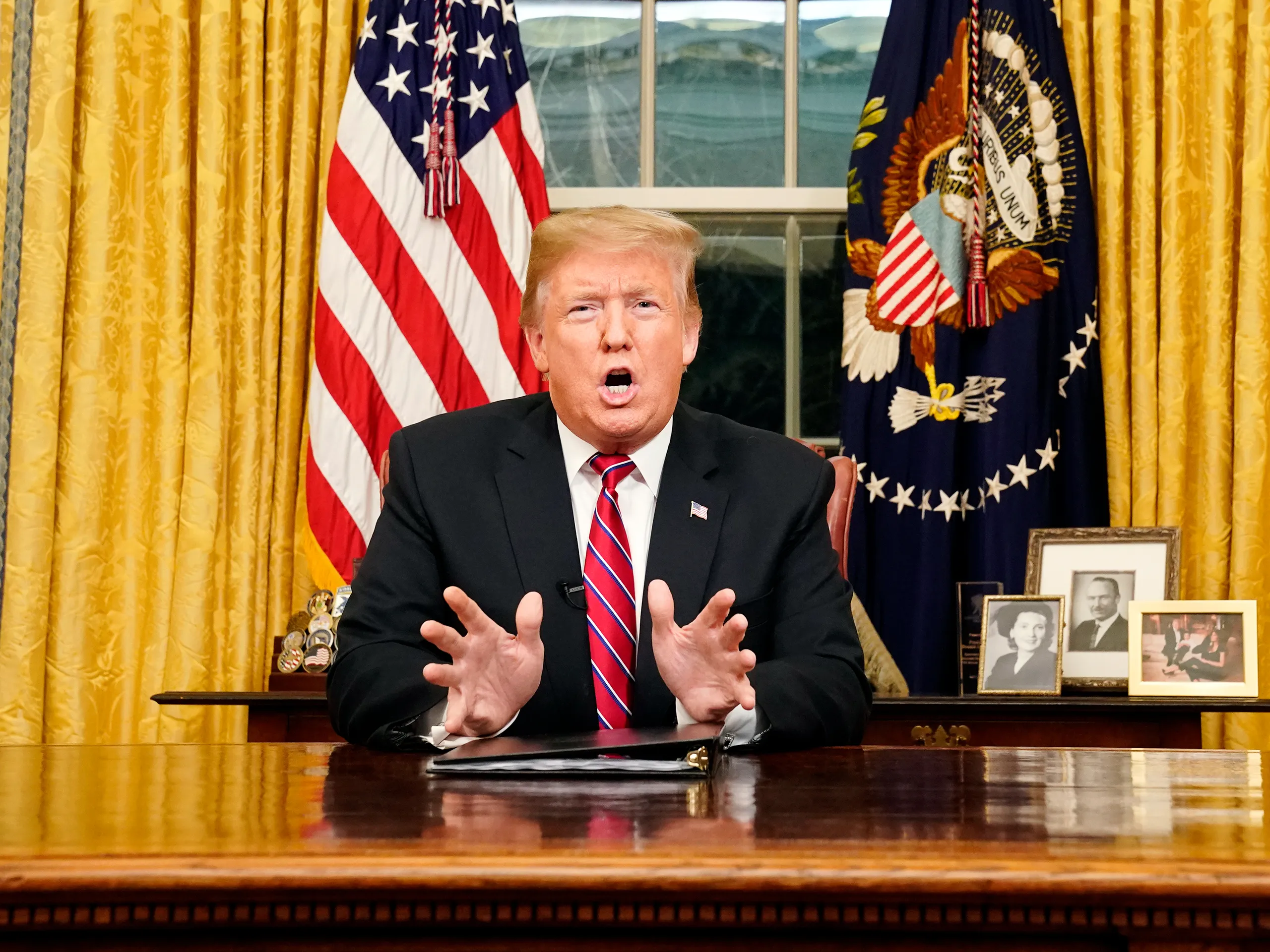






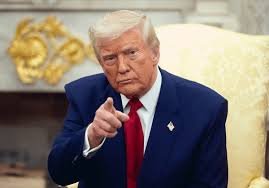
U.S. President Donald Trump will sign a new executive order on Friday, September 19, imposing a $100,000 fee on every H-1B visa application, according to a White House official.
This decision signals yet another crackdown on foreign workers by the Trump administration, tightening restrictions on migrants seeking U.S. job opportunities. Analysts suggest the steep fee is designed to limit applications to wealthier individuals or larger companies capable of absorbing the costs.
Restricting Access to Skilled Workers
The executive order explicitly bars entry under the H-1B visa program unless the new six-figure application fee is paid. The administration has long argued that the current H-1B system — which admits hundreds of thousands of skilled workers annually — allows companies to hire foreign talent at lower wages, thereby undercutting American workers’ salaries.
However, critics warn that this measure could disrupt industries that heavily depend on international talent. The technology sector, in particular, is likely to feel the brunt of the policy.
Impact on the Tech Industry
Tech companies, especially in Silicon Valley, rely extensively on H-1B visas to hire skilled professionals from countries like India and China. Roughly two-thirds of all jobs secured under the visa are in computer-related fields, while others cover engineering, education, and healthcare roles.
Adding such a hefty fee could make it difficult for smaller firms and startups to compete with tech giants in hiring foreign talent.
“Adding new fees creates disincentive to attract the world’s smartest talent to the U.S.,” said Deedy Das, partner at venture capital firm Menlo Ventures, on X (formerly Twitter). “If the U.S. ceases to attract the best talent, it drastically reduces its ability to innovate and grow the economy.”
While large corporations like Amazon, Microsoft, and Meta may be able to absorb these costs, smaller businesses may find themselves priced out of the competition for global talent.
Who Benefits from H-1B Visas?
According to government data, India accounted for a massive 71% of H-1B visa approvals last year, while China followed with 11.7%. In just the first half of 2025, Amazon secured over 10,000 H-1B visas, while Microsoft and Meta Platforms each had more than 5,000 approvals.
These figures highlight how critical the program has been to both American companies and foreign professionals. The new fee could create a ripple effect, forcing firms to rethink hiring strategies and pushing skilled workers to explore opportunities in other countries.
A Blow to U.S. Competitiveness?
Immigration experts argue that Trump’s move could undermine the United States’ long-standing position as a global hub for innovation. By discouraging international professionals from applying, the U.S. risks losing top talent to countries with more welcoming policies.
While the administration frames the fee as a way to protect U.S. workers and wages, critics view it as a barrier to growth and innovation in one of the world’s most competitive industries.