



Washington Weighs Military Action in Nigeria
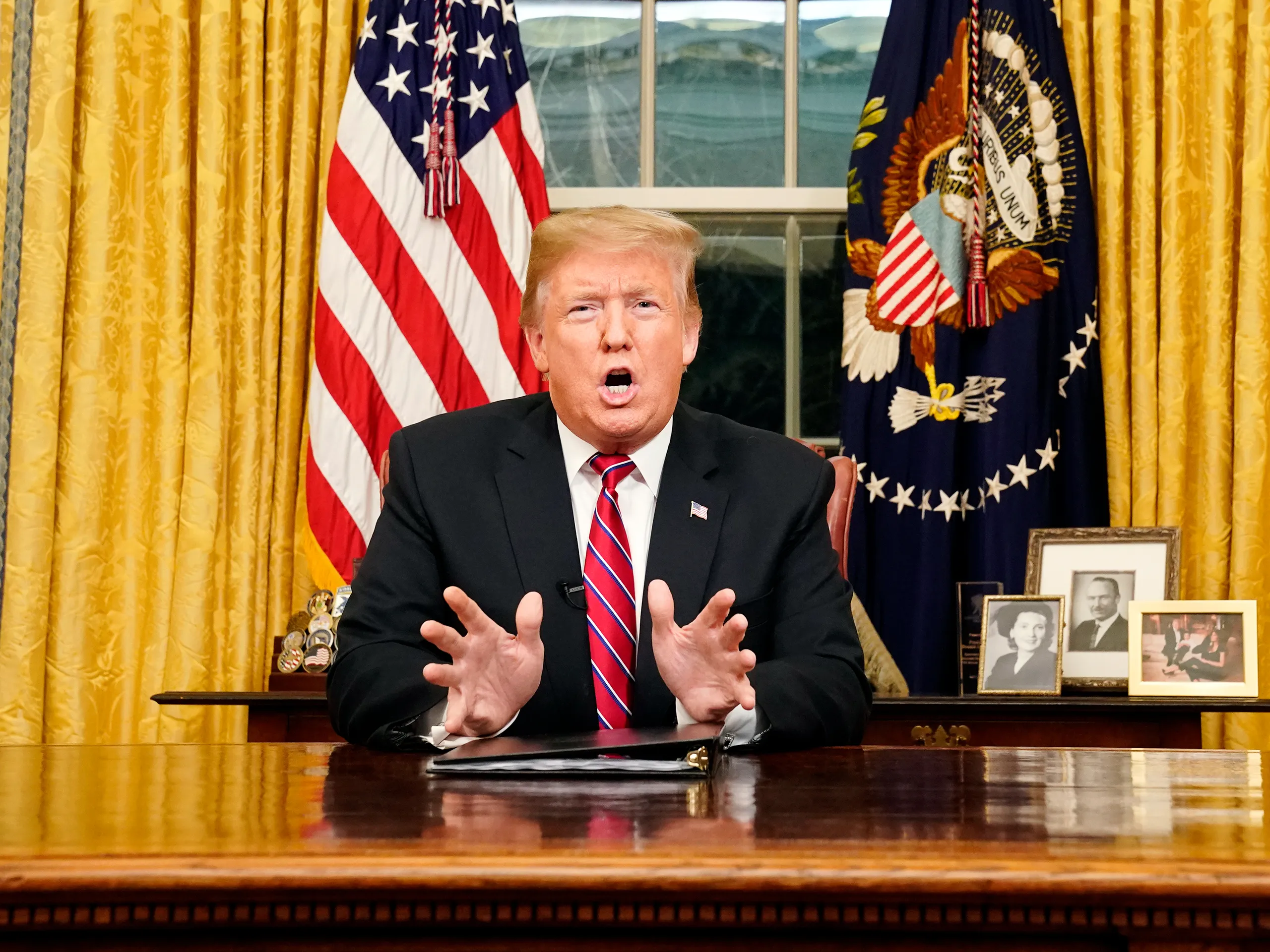
The United States Africa Command (AFRICOM) has reportedly developed contingency plans for potential strikes in Nigeria, following a directive from former President Donald Trump to prepare for possible military intervention over claims of attacks against Christians.
According to defense officials, the plans were drawn up this week and sent to the Pentagon at the request of Defense Secretary Pete Hegseth.
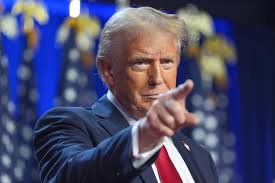
“I am hereby instructing our Department of War to prepare for possible action,” President Trump wrote on social media, saying the US could intervene to protect “CHERISHED Christians.”
His comments followed renewed concern over reports of violence in northern Nigeria, where Islamist insurgents have targeted civilians for nearly two decades.
Three-Tier Plan Outlined by AFRICOM
Sources familiar with the discussions said AFRICOM presented three possible levels of engagement — light, medium, and heavy options — designed to escalate if necessary.
-
Light Option: Partner-enabled operations, where US forces would provide intelligence and logistical support to Nigerian troops combating Boko Haram and the Islamic State West Africa Province (ISWAP).
-
Medium Option: Drone strikes on militant camps, convoys, and safe houses across northern Nigeria using MQ-9 Reaper or MQ-1 Predator drones.
-
Heavy Option: Deployment of an aircraft carrier group to the Gulf of Guinea, enabling long-range bombing missions deep inside Nigerian territory.
Officials described the proposals as “escalatory,” warning that any operation could become complex and politically sensitive.
Challenges Facing the US Military
Military experts caution that the United States is unlikely to resolve Nigeria’s long-running insurgency through airstrikes or limited operations.
“It would be a fiasco,” said Maj. Gen. Paul D. Eaton, a retired Army veteran of the Iraq War.
“Airstrikes alone would be like pounding a pillow — dramatic, but unlikely to change much on the ground.”
Analysts also noted that the US no longer has access to its former drone bases in Niger, now occupied by Russian forces. Without nearby launch sites, any strikes would require long-range missions from Europe or East Africa.
Furthermore, Nigerian officials have consistently emphasized that any foreign assistance must respect the nation’s sovereignty and operate under Nigerian command.
A Complex Conflict Landscape
The conflict in Nigeria’s north is not purely religious. While groups like Boko Haram and ISWAP have carried out attacks on Christians, they have also killed thousands of Muslims accused of being insufficiently devout. Much of the violence is rooted in land disputes, ethnic tensions, and corruption that fuel regional instability.
Farmers and herders have clashed for decades over land use in the Sahel, while militant groups exploit these divisions to strengthen their foothold. This complexity makes it difficult for any outside power to intervene effectively without deep local knowledge.
Potential Consequences of Intervention
Analysts warn that a US military campaign in Nigeria could have wide-ranging implications:
-
For the US: It would represent a major shift in America’s Africa policy and risk entangling US forces in another prolonged counterinsurgency.
-
For Nigeria: While military support may help combat insurgents, a unilateral intervention could trigger political backlash and sovereignty disputes.
-
For the Region: Such action might unsettle neighboring West African nations and reshape alliances across the Sahel and Gulf of Guinea.
Outlook
While President Trump’s directive has prompted renewed planning at the Pentagon, officials admit that the likelihood of large-scale US military involvement in Nigeria remains low. As one senior official noted, the American public shows little appetite for another overseas campaign.
Still, the US plan for strikes in Nigeria underscores the growing attention Washington is giving to instability in West Africa — and the delicate balance between intervention and restraint in a region long plagued by conflict.